I Just Need to be a Cook - to build great things
I spent four hours today not writing code. Four hours researching datasets for what should have been a straightforward assignment. And in those four hours, I traveled through molecular biology, pancreatitis research, Van Gogh's artistic portfolio, and back again—all while my actual work sat untouched.
How I leart to stop Overthinking and Started Cooking ?? 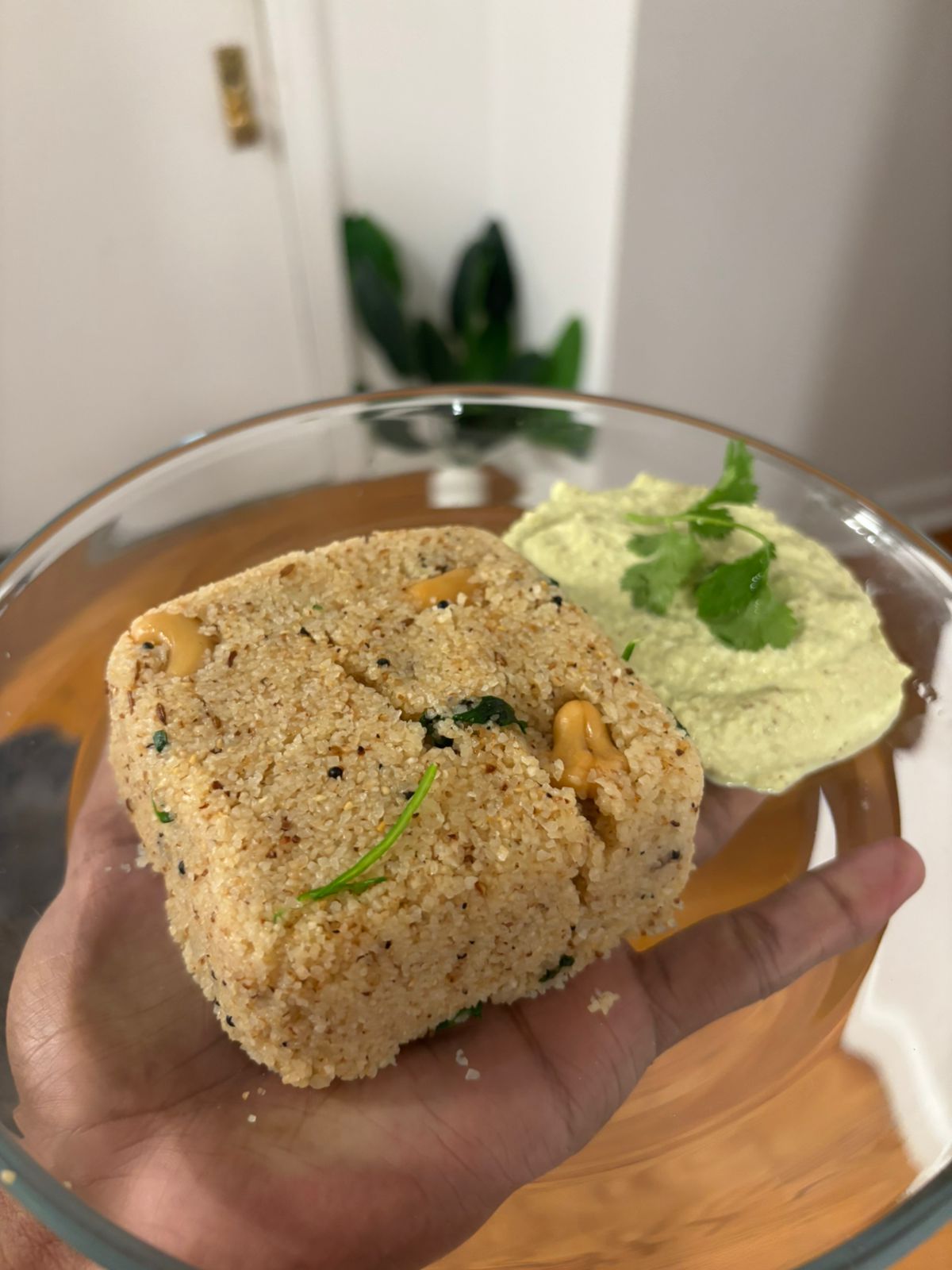
The Assignment That Broke Me
The task was simple: build a Gaussian mixture model for clustering. They gave us a dataset. They even offered an alternative—image segmentation with any dataset we chose. Most people would take what’s given and start building. But not me.
My mind immediately spiraled: What if I used computational biology data? What about pancreatitis datasets, since I’ve been diagnosed with it—that would be meaningful, right? Or maybe Van Gogh’s paintings for artistic segmentation analysis?
Each idea led to a new rabbit hole. The molecular biology data wasn’t accessible. The pancreatitis datasets were in formats I couldn’t easily work with. The art images would require too much processing power for my local system—and with the intricate calculations required for mixture membership models (sampling, reassigning, calculating means and standard deviations for each pixel across multiple channels), even the resolution became a problem.
My friend cut through the noise: “Bro, don’t worry about finding a unique dataset. Just build it on whatever they’ve given.”
I heard him. But I didn’t listen. I kept exploring, kept searching for that perfect showcase that would prove my capability. Three, four hours evaporated into research that led nowhere.
This wasn’t just about one assignment. I could see the pattern now—every project became this never-ending loop of “Can we do this? Can we do that? Can we go in this particular way?” It was exhausting. It was sabotage.
The Chef in the Room
Then something clicked while I was cooking arisi paruppu.
I’m a good cook. Actually, I’m a really good cook. When I decide to make something, I learn it quickly and make it happen. But here’s the thing—I don’t approach cooking the way I approach coding.
When I wanted to learn white mutton curry, I didn’t spend days researching the absolute perfect recipe from the most authentic source before touching a pot. I found a South Tamil Nadu style recipe from Ramanathapuram, and I cooked it. It was good. Then I thought: Why can’t this be a one-pot dish? Why all the steps when I could marinate everything together and pressure cook it?
That’s not how traditional Tamil cooking works—there’s no extensive marination, you add things as you go. But I tried my version anyway. I experimented. I learned.
When I moved to New York, I didn’t stop cooking because I couldn’t find all my usual masalas. I adapted. Coriander powder and chili powder became my arsenal, and I discovered I could make delicious food with limited condiments. Each constraint taught me something new.
Here’s what I realized: I don’t cook once and expect perfection. I cook sequentially, cumulatively. The fish curry teaches me something for the barracuda next time. The first mutton stew informs the second one. Over time, I build a repertoire of recipes, each one adding to my capability as a cook.
I never spend hours researching before I start cooking. I just cook, taste, learn, and iterate.
The Rewiring
So why was I treating my tech work like it had to be a one-time masterpiece?
In this industry, it’s not about building one completely different, disruptive project that changes everything. That’s not how it works. It’s exactly like cooking—you build your skills over time, exploring, manipulating, trying different things in sequence. That’s how you become a chef. That’s how you truly showcase capability.
The assignment didn’t need to be the perfect showcase. It needed to be one recipe in a growing collection. Start with the basic dataset they provided. Get the Gaussian mixture model working. Learn from the implementation. Then in the next project, try something more unique. Let each project inform the next one.
Stop spending four hours searching for the perfect ingredients. Start cooking.
COOC: My New Philosophy
Crafting Order Outta Chaos.
That’s what I’m calling it. Not just for this assignment, but for all my future work.
No more analysis paralysis. No more endless loops of “which dataset is unique enough” or “what will properly showcase my skills.” Just start. Build. Learn. Iterate. Let the next thing emerge from what I learned in this one.
The cook in me already knows this. It’s time the coder learned it too.
Sometimes the solution isn’t out there in some perfect dataset or groundbreaking approach. Sometimes it’s already inside you, in a completely different part of your life, just waiting for you to make the connection.